Tradies write off utes and trucks through the business all the time, so it’s natural to assume an expensive car works the same way. It doesn’t.
Three rules that bite
- The car cost limit. The ATO caps how much of a car’s cost the business can depreciate, currently around $70,000 and indexed each year. Spend more and you still only claim up to the limit.
- Capped GST credits. Above the limit, the GST credit is capped at roughly 1/11th of the limit, not 1/11th of what you paid.
- Luxury car tax. 33% on the value above the threshold, roughly $80,000 (higher for fuel-efficient vehicles, indexed each year). It applies whether you buy personally or through a business.
The sting comes when you sell
When the business later sells the car, GST is generally payable on the full sale price, not just the capped portion. That gap is easy to miss until the sale.
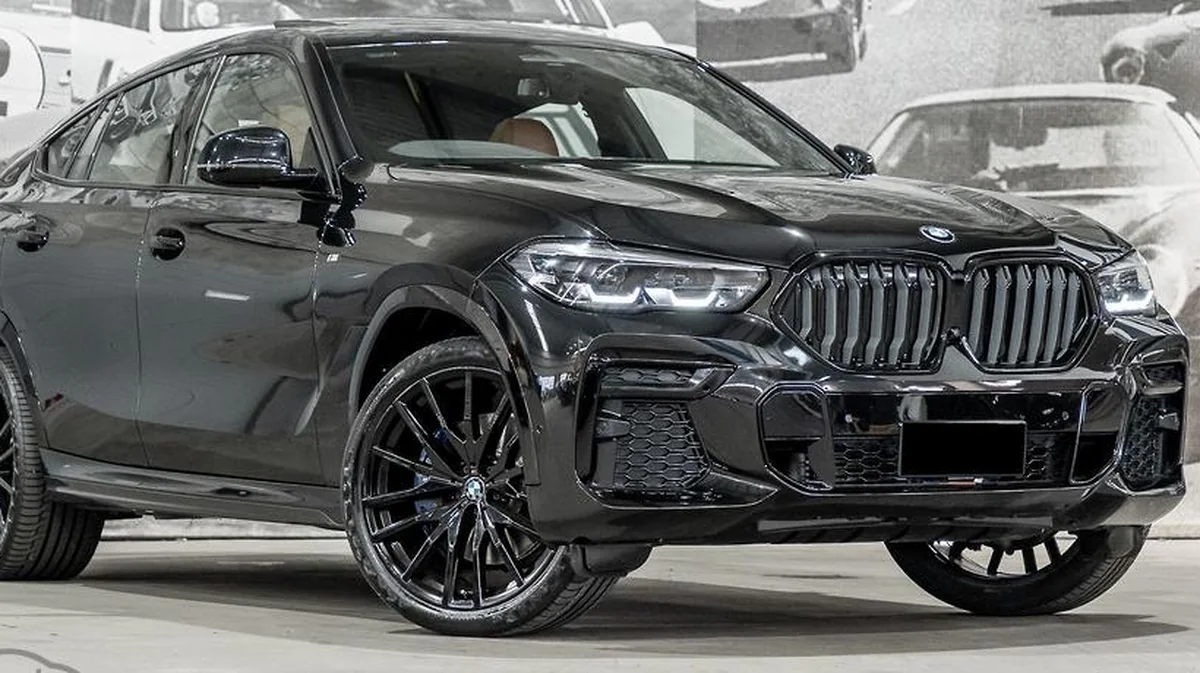
Why utes and trucks are different
Utes and trucks with a payload over one tonne generally sit outside the car cost limit and luxury car tax altogether. It’s one reason tradies favour them.
Before you sign
None of this makes a luxury car a bad idea, and we finance them all the time. The numbers just work differently to what most people expect.
Run the full picture with your accountant: price, GST in and out, depreciation, interest and resale. Then compare a lower-priced car, a dual-cab ute or buying personally. Our car finance guide covers what you’ll need either way.
General information only, not tax advice. Talk to your accountant about your own situation.
Common questions
Can I finance a luxury car through my business?
Yes, usually on a chattel mortgage, sometimes with a balloon to lower repayments. The finance works the same as for any car; it’s the tax treatment that differs.
Can I claim the full GST on a luxury car?
No. Above the car cost limit, the GST credit your business can claim is capped at the GST on the limit, not the GST on the full price.
Who pays luxury car tax?
The buyer, as part of the price. The dealer or importer collects it and passes it on to the ATO, so it’s also part of what you finance.
Is the interest on a business car loan tax deductible?
Generally the business-use share of the interest can be claimed, so keep a logbook if the car has any private use. The rules vary, so check with your accountant.
Have a question about your deal?